SAVE $5.46 - Bela Fleck: Throw Down Your Heart $21.49
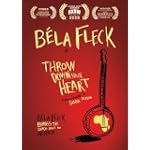 Price:
 $26.95 Now: $21.49 You save: $5.46
Amazon Q&A with Q&A with Béla Fleck and Sascha Paladino, director of Béla Fleck: Throw Down Your HeartDid you actually play an akonting or another banjo-predecessor while you were in Africa? BÉLA: Yes I did. And in the extra cuts in the new version of the film, there is some footage. I did better at learning their music on the banjo, though... Has the trip to Africa affected or influenced your playing style since? For example, did you mimic any of Djelimady Tounkara's ngoniâ€"inspired technique?BÉLA: I love the way it has changed my playing and given me some different thoughts to try. I also got a lot out of all the live touring I did with Oumou Sangare, Toumani Diabate and the other great musicians who came over. Have you kept in touch with any of the African musicians or people you met during filming?BÉLA: Yes we have, some more than others of course. Some of the musical moments ended up being pretty intimate; were you expecting that? Were any of the musicians uncomfortable being filmed?SASCHA: I wasn't sure what to expect. I knew that the music would be amazing, but I didn't know how the musicians would feel about being filmed. Luckily, they really opened themselves up to us. Part of that had to do with Béla--when he pulled out his banjo and started playing, it put the African musicians at ease even if there were language barriers. Instant connections were formed through the music, and one of my goals with the film was to highlight those connections. The setup of the story and the interviews are unobtrusive in that they allow the music to do most of the talking. Did you intentionally shy away from some of the documentary precepts for your first feature?SASCHA: Yes. It was important to me to let the music speak for itself. I wanted to make sure this film wasn't just a collection of "talking head" interviews. I tried to include just enough of a glimpse into each musician's life and personality so that it would deepen your experience of their music, but not get bogged down with talking. To me, the film is a musical adventure, with Béla as your guide, that gives you a chance to hang out with and get to know some amazing African musicians. One of the themes that surfaced during the filming was the idea that Westerners are often exposed to the negative things happening in Africa â€" poverty, AIDS, war, things like that. As Haruna Walusimbi says in the film, that is only a very small bit of what Africa is. As a result, a big part of the film is about shedding light on some very beautiful, joyous things in Africa. One way we did that was by putting the glorious music front and center. Though most of your previous ventures were in writing, are you going to focus more on directing now that you've completed this film? SASCHA: I plan to continue both writing and directing. I like that writing and directing use different parts of your brain, but that in the end they're both really about telling good stories. What made you decide to make this film together? BÉLA: Sascha had shot a film about Edgar Meyer and me, called Obstinato: Making Music for Two. When he made this movie, I got excited about his talent, especially since he is my younger brother. So he became the obvious and only choice when I decided to go to Africa and realized that it would have to be filmed. SASCHA: When Béla asked me to work on the film, I had been making short documentaries for a few years, and had worked as a cinematographer on a music film in Africa, so I knew a bit about the challenges and joys of making a movie there. Since Béla is my brother, there was a level of comfort in working together that was a really positive thing for both of us. Béla and I didn't grow up together (he is 17 years older than me), and working together was a way of getting to know each other better, too. Would you be interested in going back to Africa, maybe to places you didn't get a chance to see, and making more music?BÉLA: Yes, although I experienced so much on this recent trip that there is not a rush to go back immediately. I have some other projects to do right now, and other parts of the world to consider going to. SASCHA: For sure. There's so much amazing music in Africa, we really just scratched the surface. There are many, many movies to be made about music in Africa! Oumou said that Béla was better at communicating with his hands, that is, musically. Were you nonetheless curious or left in the dark about what the lyrics were saying? Haruna Walusimbi's song about his father was extremely moving; did you grasp the subject matter at the time? BÉLA: I had no idea what Haruna was singing or why he was crying until afterwards. It makes it very interesting to watch now, knowing what is going to happen. SASCHA: I had a very deliberate strategy with the use of subtitles. The first couple of songs in the film, there are no subtitles translating the lyrics. This is because I wanted to put the viewer into Béla's shoes â€" he didn't know what the lyrics were saying at the time since they were in a different language, and he was really focused on the music. But as the film goes on you start to get subtitles translating the lyrics, starting with Haruna Walusimbi's song. The lyrics, dealing with the loss of Haruna's father, are very meaningful, and they deepen the emotional experience of the scene. So, starting with that scene the viewer is taken out of Béla's perspective a little bit and given more information than he had at the moment it was filmed. The music created and recorded seemed so organic to the process, did you expect the trip to be such an overwhelming success? SASCHA: When we first arrived in Africa at the beginning of the shoot, we had some fears that things weren't going to turn out the way we had hoped, and we wouldn't find enough compelling music. But soon we found our groove â€" and some amazing musicians â€" and the result was better than we could have imagined. BÉLA: We were very ambitious, but the trip far exceeded our expectations. More info »
Shop Now »»
Permalink: dealnay.com/136313
Last updated: November 28, 2009, 6:15 pm
More deals on Movie TV Shows Entertainment Documentary

